

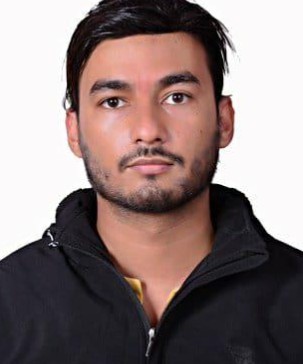
Pujan Dangi
Kathmandu,kathamandu
Summary
GMC qualified doctor with substantial clinical expertise. Capable of delivering patient care, managing administrative work, and guaranteeing efficient office operations. Recognized for outstanding teamwork, dependability, and adaptability. Proficient at multitasking and prioritizing workloads to accomplish desired results. Highly acknowledged for effective communication and problem-solving skills
Overview
2026
2026
years of professional experience
9
9
years of post-secondary education
Work history
General practitioner
Gurkha public hospital
Ghorahi, Ghorahi
2019.09 - 2025.09
- Diagnosed and treated various medical conditions, ensuring comprehensive patient care.
- Managed patient records and maintained accurate documentation of medical histories.
- Collaborated with healthcare professionals to develop effective treatment plans for patients.
- Conducted routine check-ups and screenings to monitor patient health and wellbeing.
- Educated patients on preventive care and healthy lifestyle choices to promote wellness.
- Resolved patient inquiries and concerns, providing exceptional customer service and support.
- Implemented best practices in clinical procedures to enhance overall patient safety.
- Mentored junior staff and medical students, fostering supportive learning environment.
Locum ST (Adhoc) -02/06/2025 NHS TAY SIDE Nine well Hospital Dundee
NHS tay side
Dundee, Dundee
02 2025 - 11 2025
Locum ST (Adhoc) -02/06/2025 NHS TAY SIDE Nine well Hospital Dundee
NHS
Dundee, Dundee
06 2025 - 01 2026
Acute medicine Unit
SHOs perform clerking, which involves taking detailed medical histories, conducting
physical examinations, and documenting findings in patients' medical records.
Management of Acute Conditions: They manage a range of acute medical conditions,
providing immediate care and stabilization.
Bleep Holding: SHOs hold a bleep (pager) and are on call to respond to emergencies
and urgent situations within the ED.
• Team Collaboration: They work closely with other healthcare professionals, including
nurses, consultants, and other doctors, to ensure comprehensive patient care.
• Education and Training: SHOs often participate in teaching and training sessions,
both for medical students and junior doctors.
• Discharge Planning: They are involved in planning and coordinating the discharge of
patients from the ED, ensurin
- Carried out day-to-day duties accurately and efficiently.
- Quickly learned and applied new skills to daily tasks, improving efficiency and productivity.
- Successfully delivered on tasks within tight deadlines.
- Demonstrated respect, friendliness and willingness to help wherever needed.
2.Locum SHO (Adhoc) - 25/12/2024 to Present Lewisham and Greenwich NHS Trust
NHS
London, London
12 2024 - 12 2024
General Medicine (On Call)
• Patient Assessment and Triage: SHOs are responsible for assessing patients who
come into the ED, determining the severity of their conditions, and prioritizing treatment
based on urgency.
• Clerking: SHOs perform clerking, which involves taking detailed medical histories,
conducting physical examinations, and documenting findings in patients' medical
records.
Management of Acute Conditions: They manage a range of acute medical conditions,
providing immediate care and stabilization.
• Bleep Holding: SHOs hold a bleep (pager) and are on call to respond to emergencies
and urgent situations within the ED.
• Team Collaboration: They work closely with other healthcare professionals, including
nurses, consultants, and other doctors, to ensure comprehensive patient care.
• Education and Training: SHOs often participate in teaching and training sessions,
both for medical students and junior doctors.
• Discharge Planning: They are involved in planning and coordinating the discharge of
patients from the ED, ensuring appropriate follow-up care.
Additional Responsibilities:
• Running the Take: SHOs may be responsible for running the "take," which is the
process of handing over patients from the previous shift.
• Reviewing Referrals: They review referrals from other specialties and ensure that
patients receive the necessary specialist care.
Ward Rounds: SHOs may participate in ward rounds, reviewing patients and discussing
their care plans with the medical team
Clinical Attachment Heartland Hospital, Birmingham May 2024 – June 2024
University hospital birmingham
Birmingham, Birmingham
05 2024 - 06 2024
Infectious Diseases/ Accident and Emergency
Infectious Diseases
• Diagnosis and management of patients suffering from acute and chronic clinical
disorders
• Successfully led regular monthly meeting for quality improvement initiatives •
Participated in hospital audits.
• Conducted training for undergraduate medical students, nursing and other specialties.
A&E:2. 3. 4. • Shadow on-calls in ED
• Shadow in SDEC
• Gained in-depth knowledge of the health system of the UK .
• Performed various clinical examination and procedures.
• Learned about communication skills and code of ethics
Education
MBBS - Medicine
Chitwan Medical College
Chitwan 2012.11 - 2019.09
Master of Science - PUBLIC HEALTH
University of Wolverhampton
Wolverhampton 2023.01 - 2024.09
Skills
- Emergency response capability
- Health literacy promotion
- Specialist referral processes
- Preventative healthcare promotion
- Chronic disease treatment
Languages
English
Fluent
Hindi
Native
Urdu
Fluent
Nepali
Native
Occupational English Test
Fluent
Accomplishments
ALS by Resus council UK
BLS by Resus Council UK
General medical council :8027389
Nepal medical council :25187
Dubai Health Authority eligibility license:86009573
Basic General and Surgical skills Plus USG skills
Research paper in Androgenic allopecia in University students published in UK
Metaanalysis paper published on Use of Thrombolytics on Stroke patient published in UK
Timeline
Master of Science - PUBLIC HEALTH
University of Wolverhampton
2023.01 - 2024.09
General practitioner
Gurkha public hospital
2019.09 - 2025.09
MBBS - Medicine
Chitwan Medical College
2012.11 - 2019.09
Locum ST (Adhoc) -02/06/2025 NHS TAY SIDE Nine well Hospital Dundee
NHS tay side
02 2025 - 11 2025
Locum ST (Adhoc) -02/06/2025 NHS TAY SIDE Nine well Hospital Dundee
NHS
06 2025 - 01 2026
2.Locum SHO (Adhoc) - 25/12/2024 to Present Lewisham and Greenwich NHS Trust
NHS
12 2024 - 12 2024
Clinical Attachment Heartland Hospital, Birmingham May 2024 – June 2024
University hospital birmingham
05 2024 - 06 2024